
Join APNNIC | Benefits
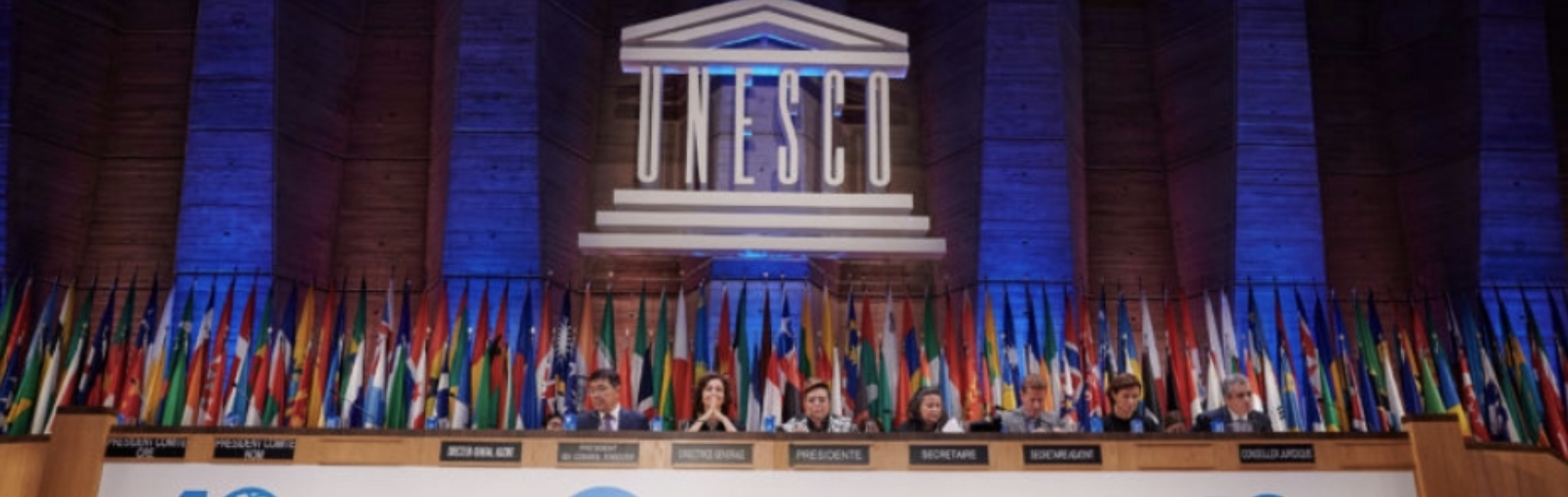
Ratification of the Tokyo Convention is the gateway to joining APNNIC. Ratification demonstrates a country’s commitment to improved mobility of students and academics within the Asia-Pacific region, while also strengthening collaboration and solidarity across the region. To confirm if your country is a Party to the Tokyo Convention and Member of APNNIC, please click here.
Benefits of joining APNNIC include:
Individuals
- Fair and transparent assessment of qualifications for all learners, including refugees and displaced persons
- Access to further studies, ensuring the right to education and facilitating international mobility of students
- Use of qualifications for employment, subject to the laws and regulations of the State Party
Higher Education Institutions
- Reduces duplication of efforts and help staff assess and recognize qualifications more efficiently
- Builds trust, making it easier to align credit systems, curricula and joint programmes across borders
- Strengthen institutional visibility and attractiveness internationally
Member States
- Enables higher education internationalization supporting mobility and enhancing visibility
- Strengthens national education systems improving alignment with international good practices and building capacity of higher education systems
- Shapes the future of higher education with full membership and voting rights in the Tokyo Convention Committee and APNNIC, strengthening information sharing and shaping international norms
Learn more
- Asia-Pacific Regional Convention on the Recognition of Qualifications in Higher Education (Tokyo Convention)
- Global Convention on Recognition
- Developing Holistic Indicators to Promote the Internationalization of Higher Education in the Asia-Pacific (UNESCO, 2018)
- Guidelines on Implementing Qualifications Frameworks in Asia and the Pacific at Subject Level: Educational Studies and Cultural Heritage Management (UNESCO, 2020)
- Global Convention on the Recognition of Qualifications concerning Higher Education: operational guidelines – UNESCO Digital Library (UNESCO, 2025)
Share